Personal protective equipment (PPE) is special clothing designed to protect a person from hazardous external factors (chemical, biological, radiation and others).
The use of PPE is often mandatory in accordance with regulations and safety rules for certain types of work. It's also important to remember that proper use of PPE can significantly reduce the risk of injury or illness, while inadequate or improperly selected protection can lead to serious consequences.
Types of PPE
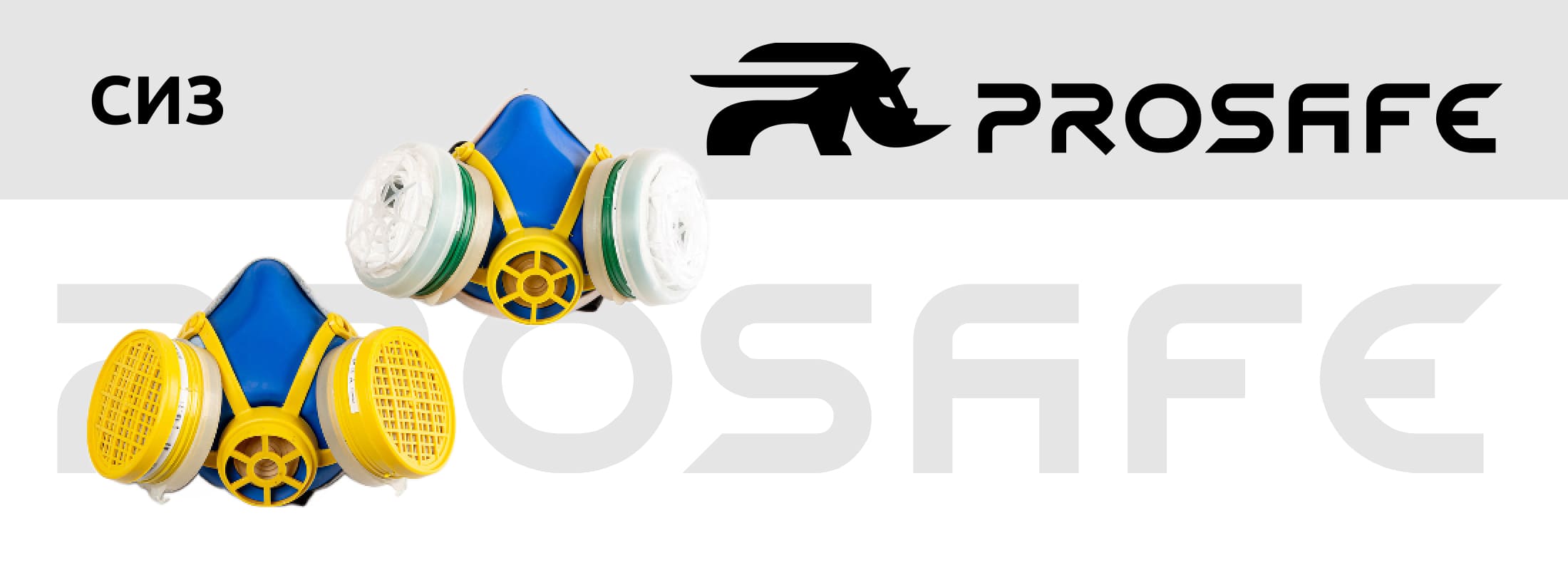
Personal protective equipment comes in different types, depending on its intended purpose and conditions of use:
- head protection: helmets of various types - for construction, electrical installation and other work, helmets for sports, headphone mounts;
- eye protection: glasses and masks, protective shields;
- respiratory protection: respirators, mask filters;
- skin protection: different types of gloves, suits, overalls, boots, shoes, etc.;
- hearing protection: headphones or earplugs;
- protection of the musculoskeletal system: bandages, elbow pads, handcuffs;
- radiation protection: protective suits for nuclear power workers and other professions.
Purpose of PPE
The main purposes of using personal protective equipment:
- protection of a person from harmful and hazardous substances, such as toxic organic compounds, acids, alkalis, poisonous gases, dust, vapors and others;
- protection from mechanical damage to which a person may be exposed at work;
- protection from thermal influences: high and low temperatures, flames, sparks and others;
- protection from radiation and electromagnetic fields;
- protection from loud sounds and ultrasonic waves;
- protection from bad weather conditions when working outdoors, such as rain, snow, wind;
- protection against penetration of large and small objects that may get into the eyes or damage the skin.
When purchasing protective clothing and footwear:
- identify the types of hazards that may arise in the workplace;
- select products in accordance with regulatory requirements and operating conditions;
- determine the correct size and shape so that it fits a specific employee;
- check that the PPE complies with local and national standards, as well as the availability of quality certificates;
- train employees in the proper handling of PPE and monitor its use in the workplace.
Personal protective equipment (PPE) is essential for every employee at a manufacturing facility and in any workplace where there is a risk of injury or health problems. Buy workwear, footwear, and safety glasses wholesale from the PROSAFE online store. We've been in business for over 25 years and offer tailored solutions to every client.